



Key features
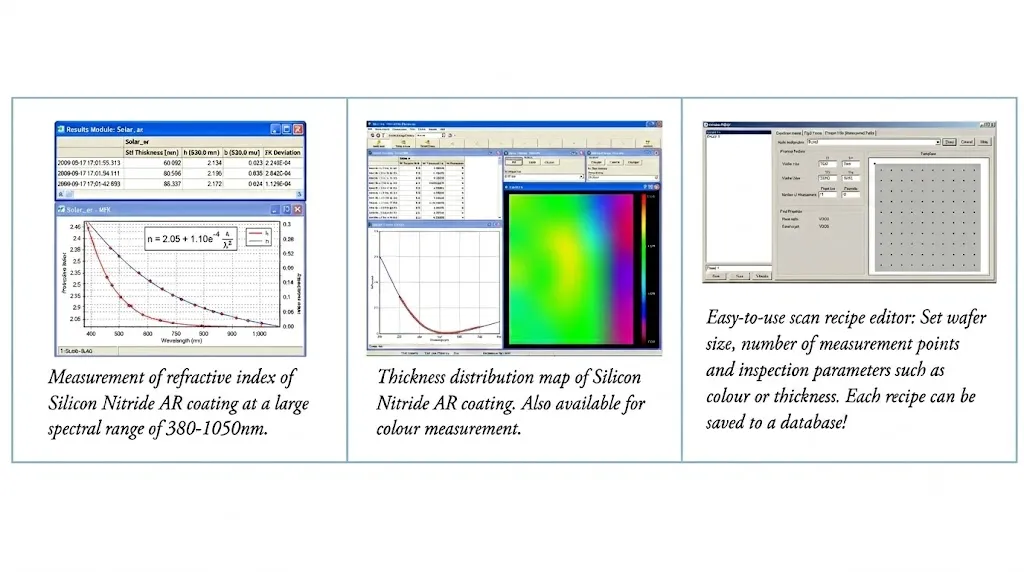
- Direct multi-parameter measurement: Simultaneous analysis of thickness (45 - 120 nm) and refractive index (1.90 - 2.35) of Silicon Nitride coatings independently without the need to destroy the sample.
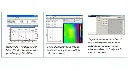
- High-speed mapping: The system automatically establishes a plane with an automatic XY positioning table, allowing for scanning and creating accurate coating distribution maps for the entire wafer in less than 1 minute.
- Compatibility with various wafer surfaces: Operates effectively on both multi-crystalline (mc) and mono-crystalline (pc) wafers, performing well on polished, rough, isotropic/anistropic chemically etched, or reactive ion etched (RIE) surfaces.
- Synchronized with core deposition processes: A perfect quality control tool for thin film production lines using PE-CVD technology and Magnetron Sputtering.
- User-friendly operation: Pre-integrated mapping templates and standardization processes allow technicians to operate and extract data quickly without the need for extensive training.
Detailed description
Principle of advanced spectroscopic interference
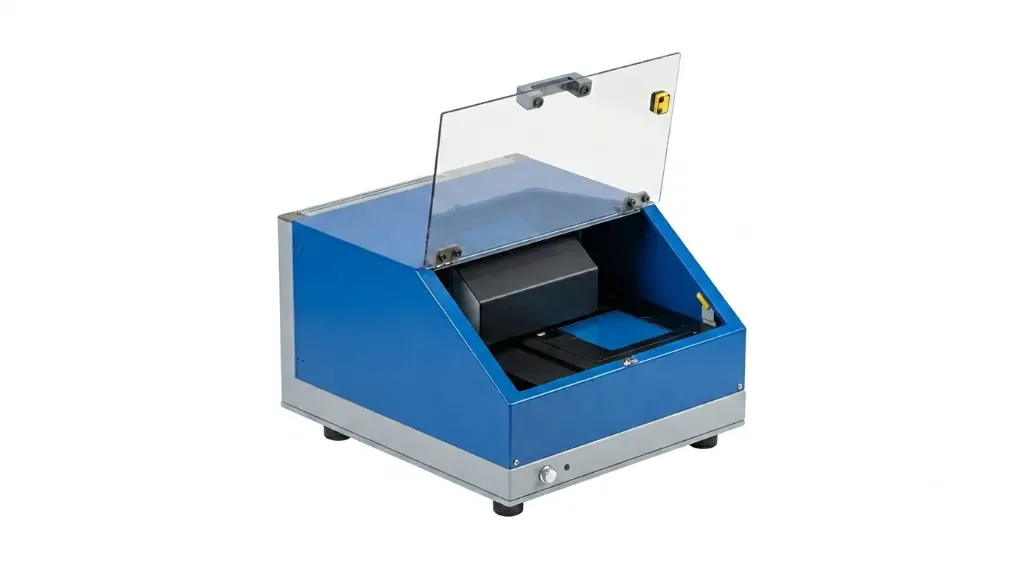
The Helios SCAN-tn system from NXT uses proprietary industrial spectroscopy technology specifically serving the photovoltaic industry. The device operates based on the principle of recording phase differences between the reflected rays on the front and back of a thin film, causing interference phenomena. After recording the interference spectrum of the solar cell coated with an anti-reflective layer, the system will perform calculations using powerful algorithms to match the theoretical model with the measured data, thereby accurately determining the thickness and optical constants of the ultra-thin films.
Solving the optimization problem of thin film processes
For wafer-based solar cells, the anti-reflective coating (typically a-SiNx:H) plays a crucial role in passivating the surface and creating a diffusion barrier to maximize energy conversion efficiency. Typically, extracting a coating distribution map requires a lot of time and manipulation skills. Helios SCAN-tn eliminates this barrier with its instantaneous measurement capability while providing a vast amount of information, allowing engineers to immediately assess the impact of gas pressure or deposition temperature on coating quality.
Automation and flexible scalability
The Helios SCAN-tn version is ideally designed for offline measurements in the lab or random inspections in the factory with automatic calibration and charting features. Additionally, the optical platform and algorithms of this system are completely retained when synchronized with the Helios INLINE-tn version, allowing factories to easily upgrade to a high-speed optical quality control system right on the moving wafer conveyor.