
Key features
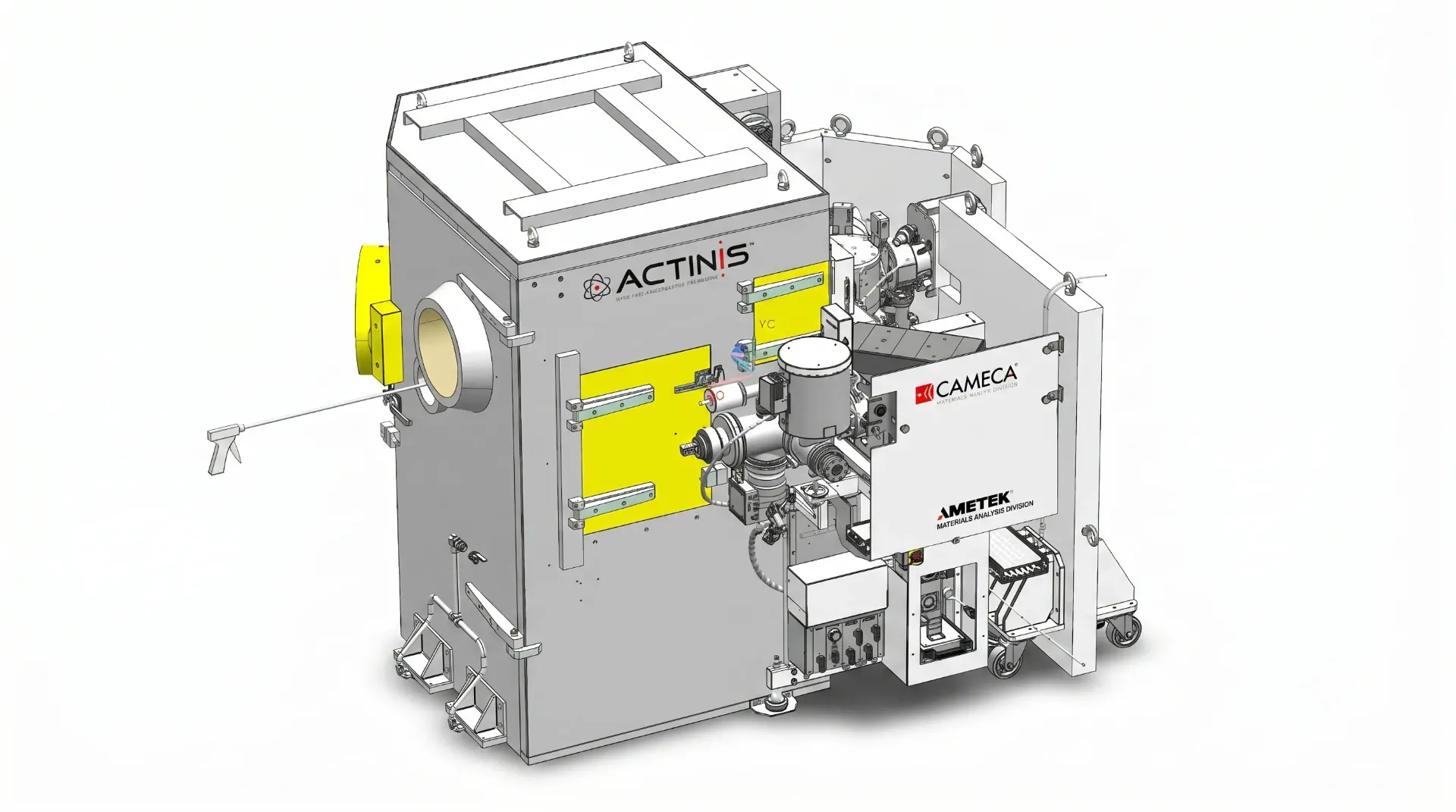
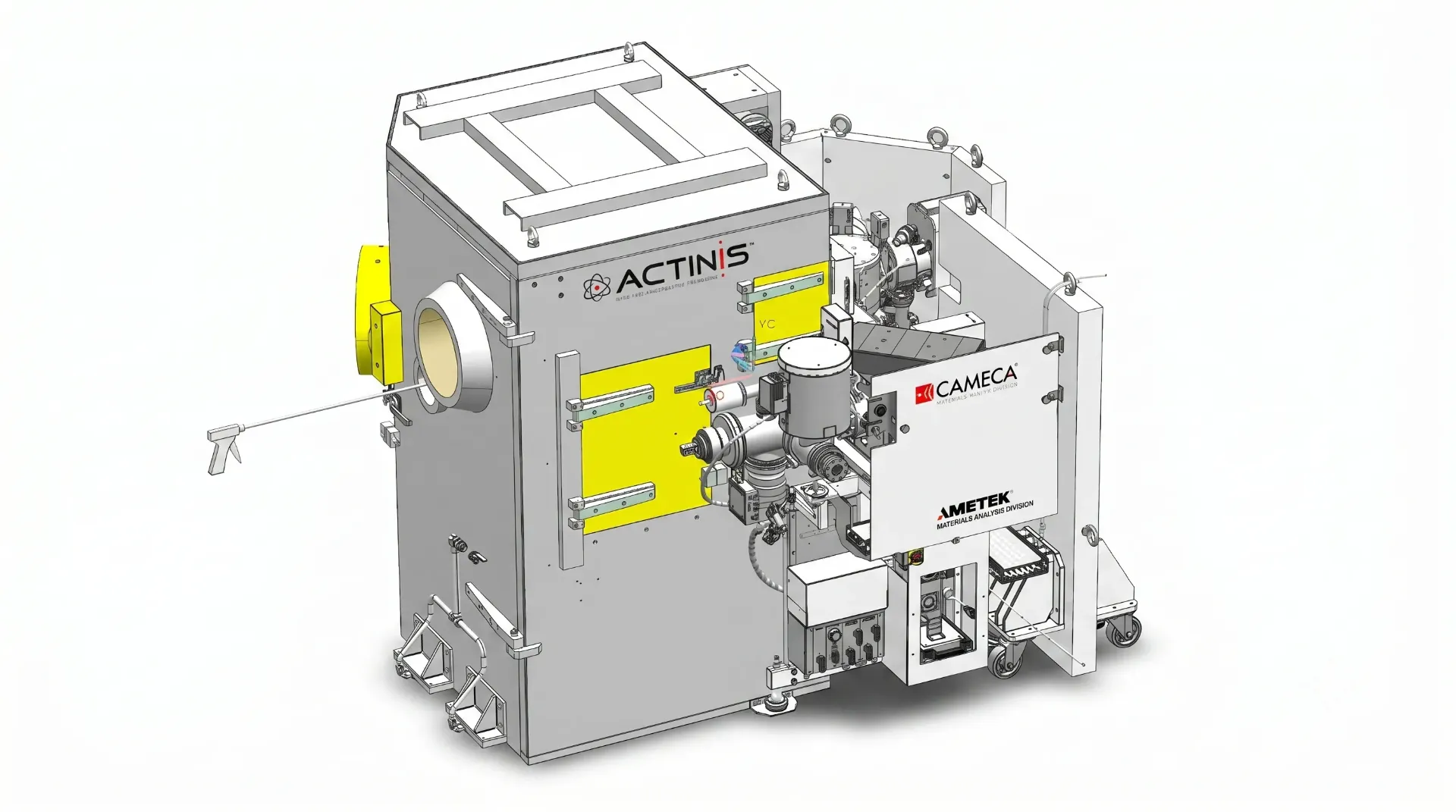
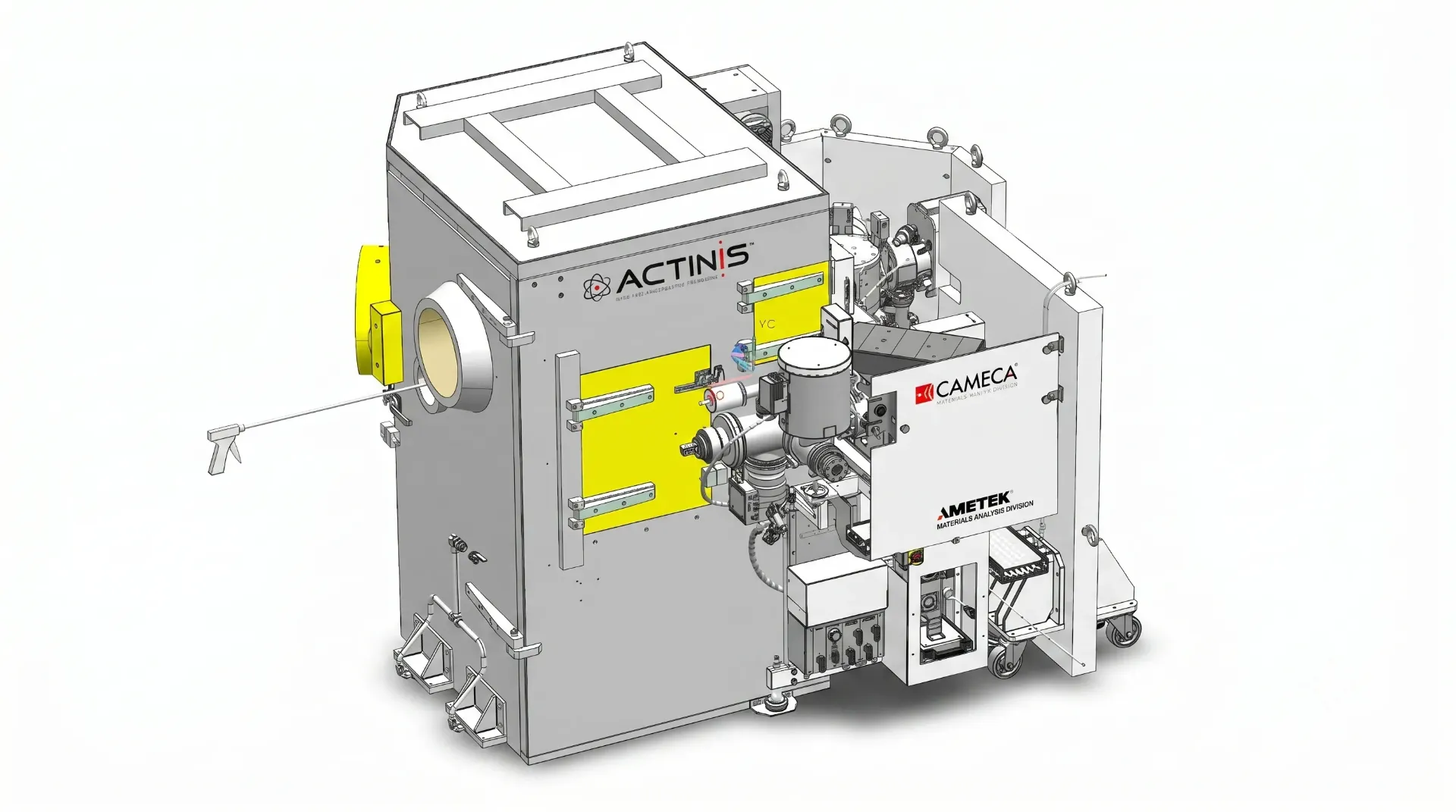
- State-of-the-art radiation protection system: Integrates a glove box (Alpha protection) and a lead-lined chamber (Gamma protection), ensuring safety for operators when analyzing samples with doses up to 2 Gy/h (measured at a distance of 5 cm).
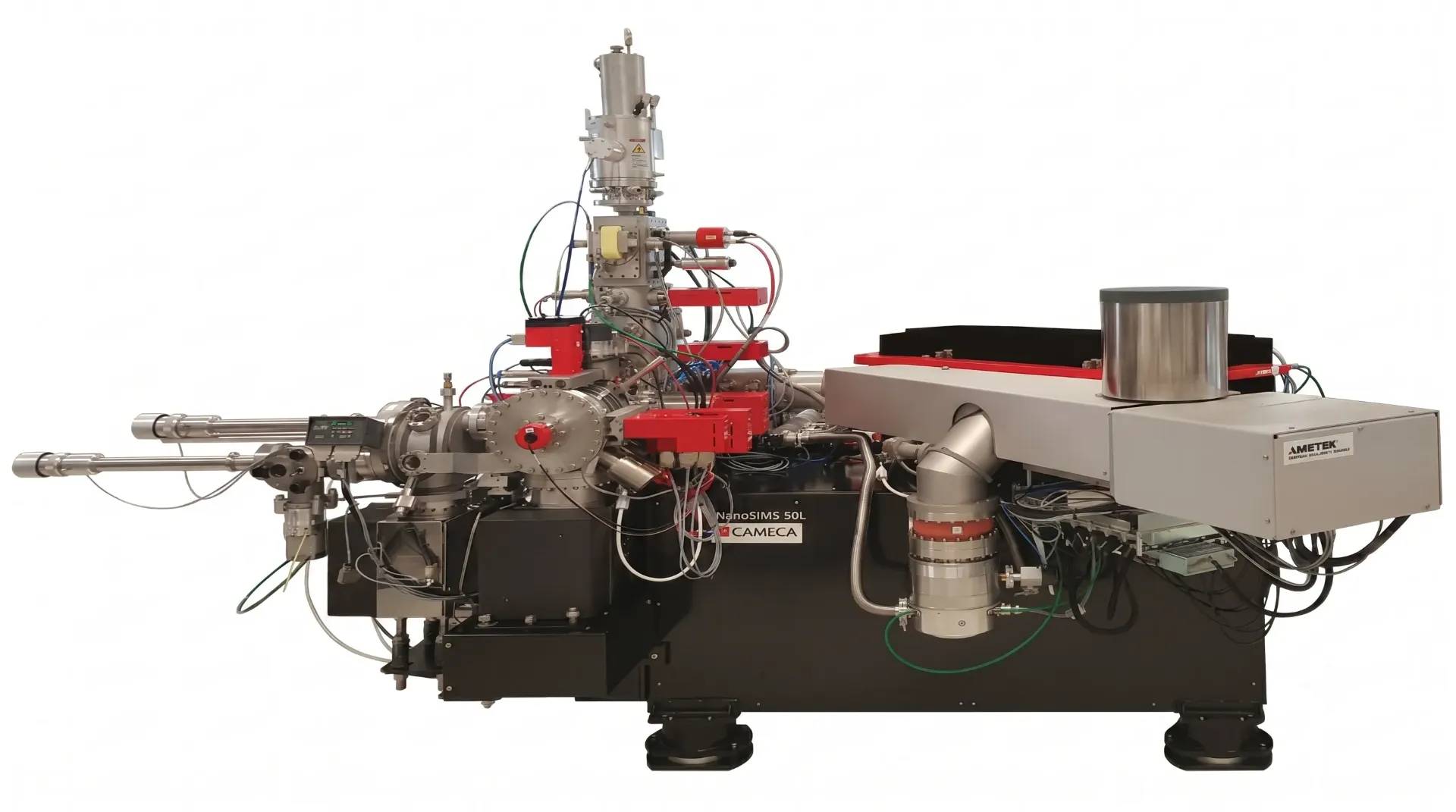
- High sensitivity elemental & isotopic analysis: Inheriting the power of the IMS 7f system, the device provides extremely high mass resolution and transmission, allowing accurate measurements from low mass (H) to super heavy (U and beyond).
- Dual primary ion source system: Combines Duoplasmatron and Cesium sources, ensuring optimal analytical sensitivity for both electropositive and electronegative chemical species.
- Advanced ion collection optics: Uses high electric fields to maximize transmission capability, integrating beam alignment and electronic gating to collect depth profiles with a large dynamic range.
- Sample loading automation (Full automation): The sample loading system is fully secure through an airlock and controlled motors, minimizing dangerous manual interventions inside the radiation chamber.
- Comprehensive SIMS software package: Accompanied by a specialized toolkit including WinCurve (big data processing), WinImage (image visualization), and WinIsotopes (real-time isotope calculation)
Detailed description
Advanced secondary ion mass spectrometry technology
Developed for the most demanding measurement applications, ACTINIS features a high-performance double focusing mass spectrometer. This system includes an electrostatic analyzer to focus energy and a sector magnet that allows for extremely fast peak switching. Combined with a high-precision signal detection platform (including 1 electron multiplier EM and 2 Faraday cups FC) and a low-noise electrometer, ACTINIS ensures superior sensitivity in mapping and imaging ions at a lateral resolution of less than a micron (sub-micron).
Addressing radiation safety in nuclear research
In the field of atomic energy, research on optimizing nuclear fuel or managing radioactive waste requires direct handling of materials with very high radioactivity, creating significant exposure risks. CAMECA thoroughly addresses this barrier by placing the entire system of equipment within a closed environment with biological shielding. The mechanical structures and ion optical devices are designed to be easily maintained right inside the shielding layer. As a result, the equivalent dose released outside the operational area is always maintained at an absolutely safe level (< 25 μSv/h).
Flexible analytical capabilities for irradiated materials
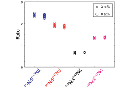
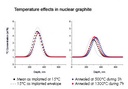
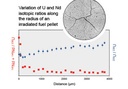
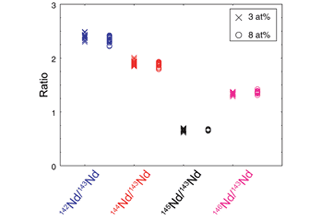
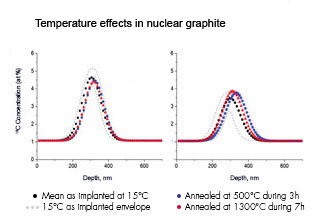
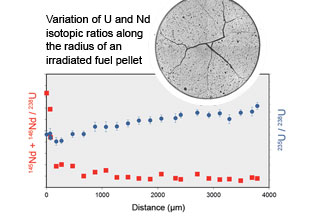
ACTINIS is not only a safety tool but also a flexible material research station. The system facilitates easy investigation of isotope distribution at the micro level, with typical applications such as tracking the migration of ¹⁴C/¹³C isotopes or examining the profile of fuel pellets before and after the irradiation process. To expand the analysis, the machine is equipped with a normal incidence electron gun that helps neutralize charge, allowing high-resolution analysis even on insulating material samples.