
Key features
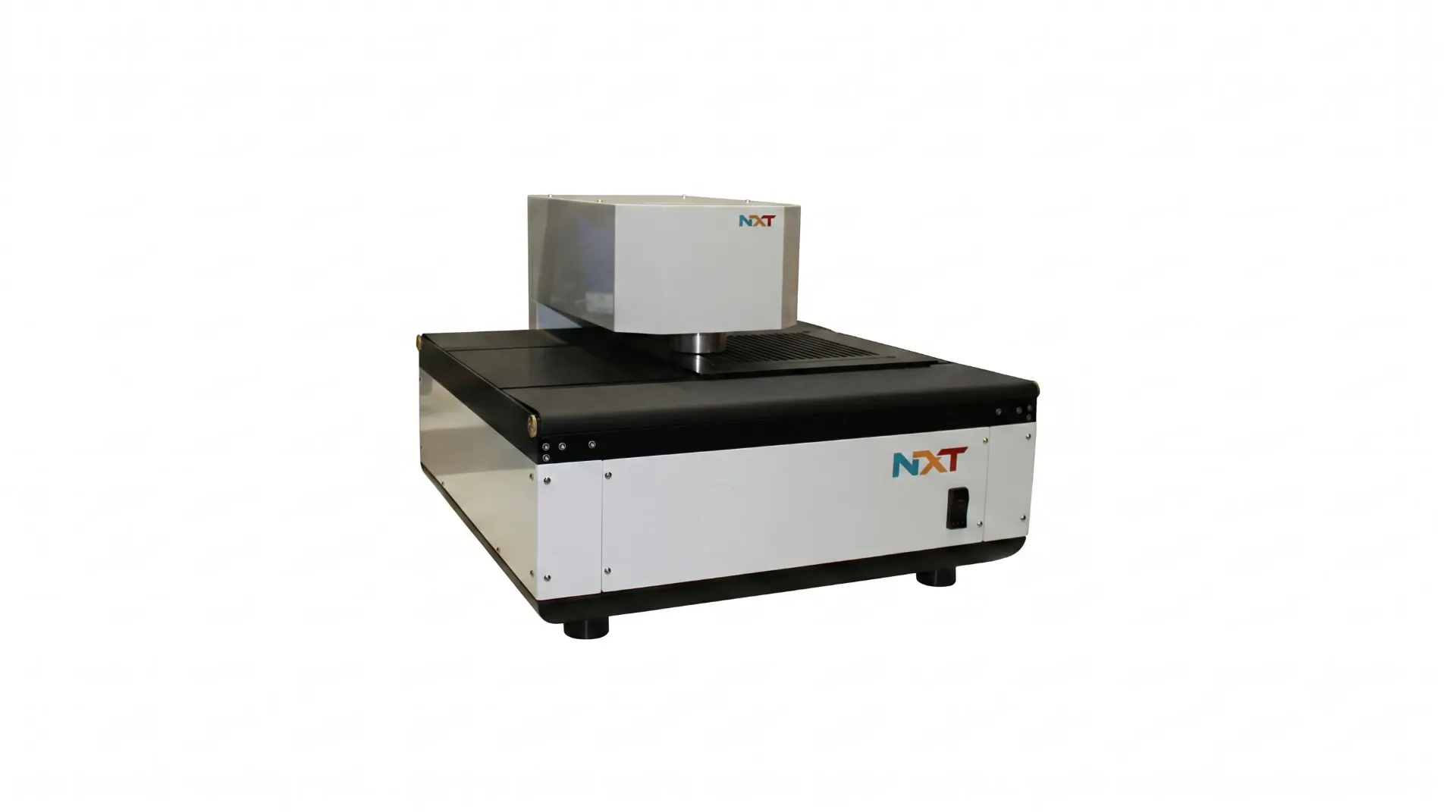
- Modular inline design: Easy to install into any existing production system and minimizes integration costs.
- Simultaneous multi-parameter measurement capability: Provides instant data on thickness, color, reflectance, transmittance, and optical density in a single system.
- Measurement with high accuracy and repeatability: Ensures stable measurement data thanks to high linearity Si/InGaAs sensor and international standard calibration process.
- High durability in dynamic environments: Maintains high measurement stability even when the sample shifts, shakes, or changes distance or tilt angle.
- Automatic dark current and reference measurement: Integrates smart mechanical shutters to eliminate system errors without stopping the production line.
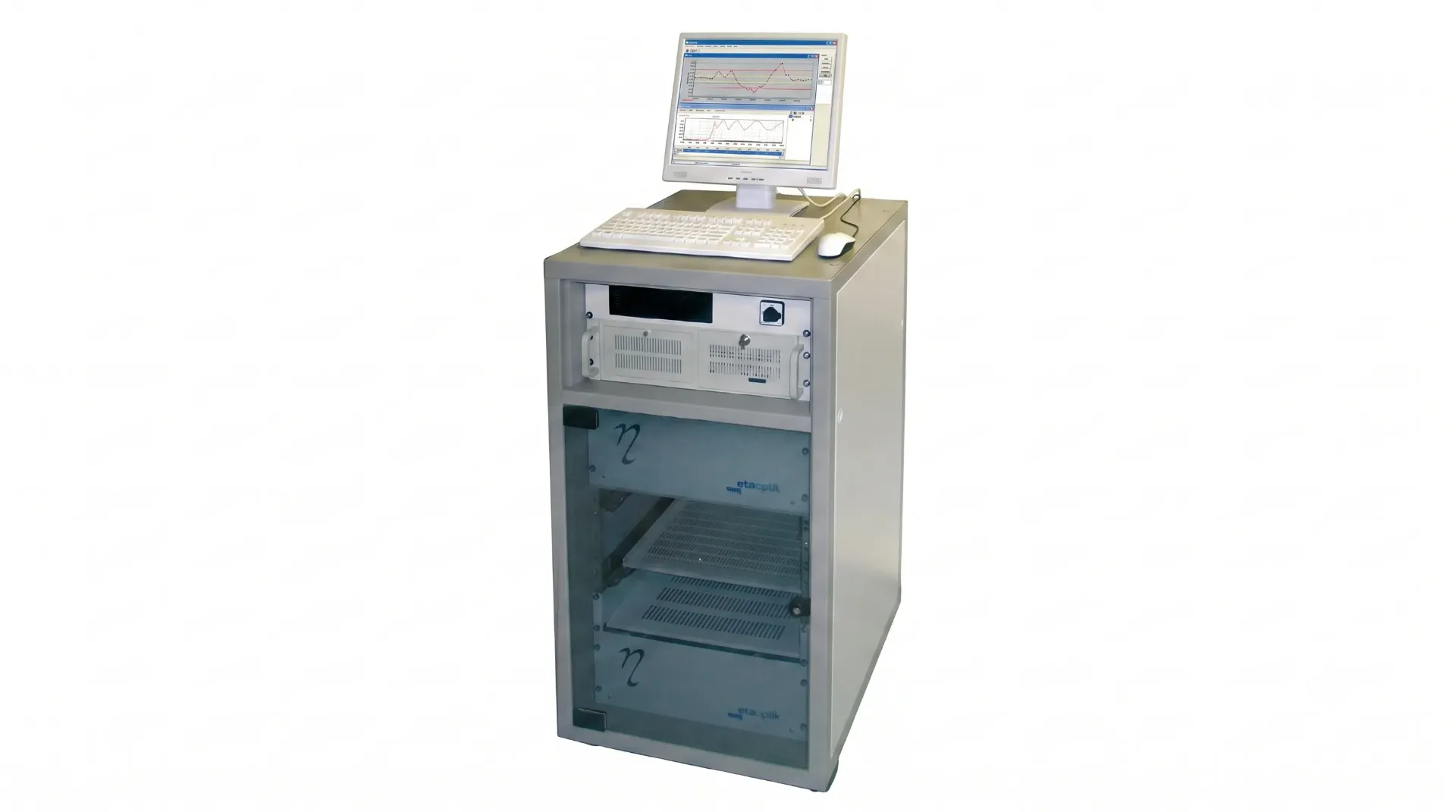
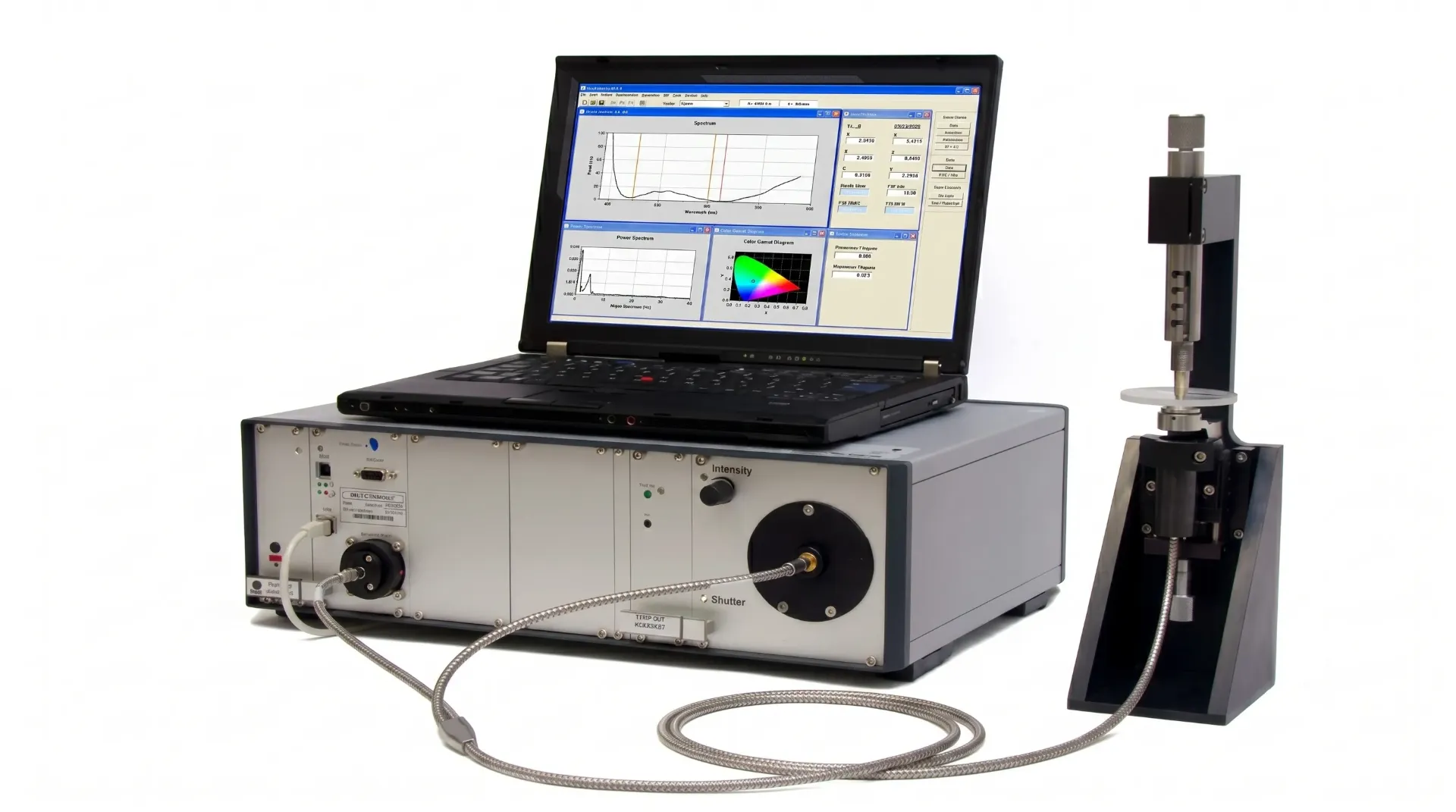
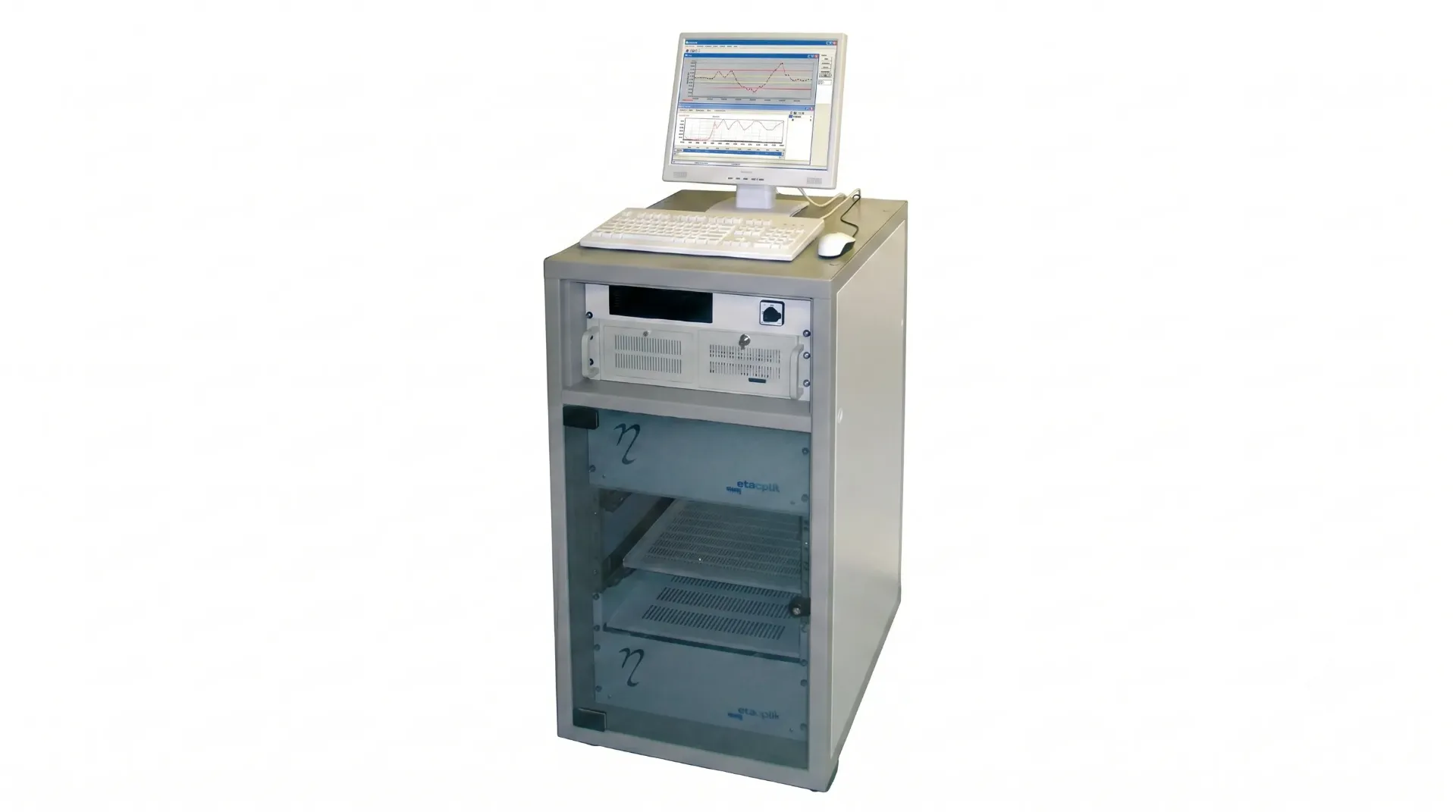
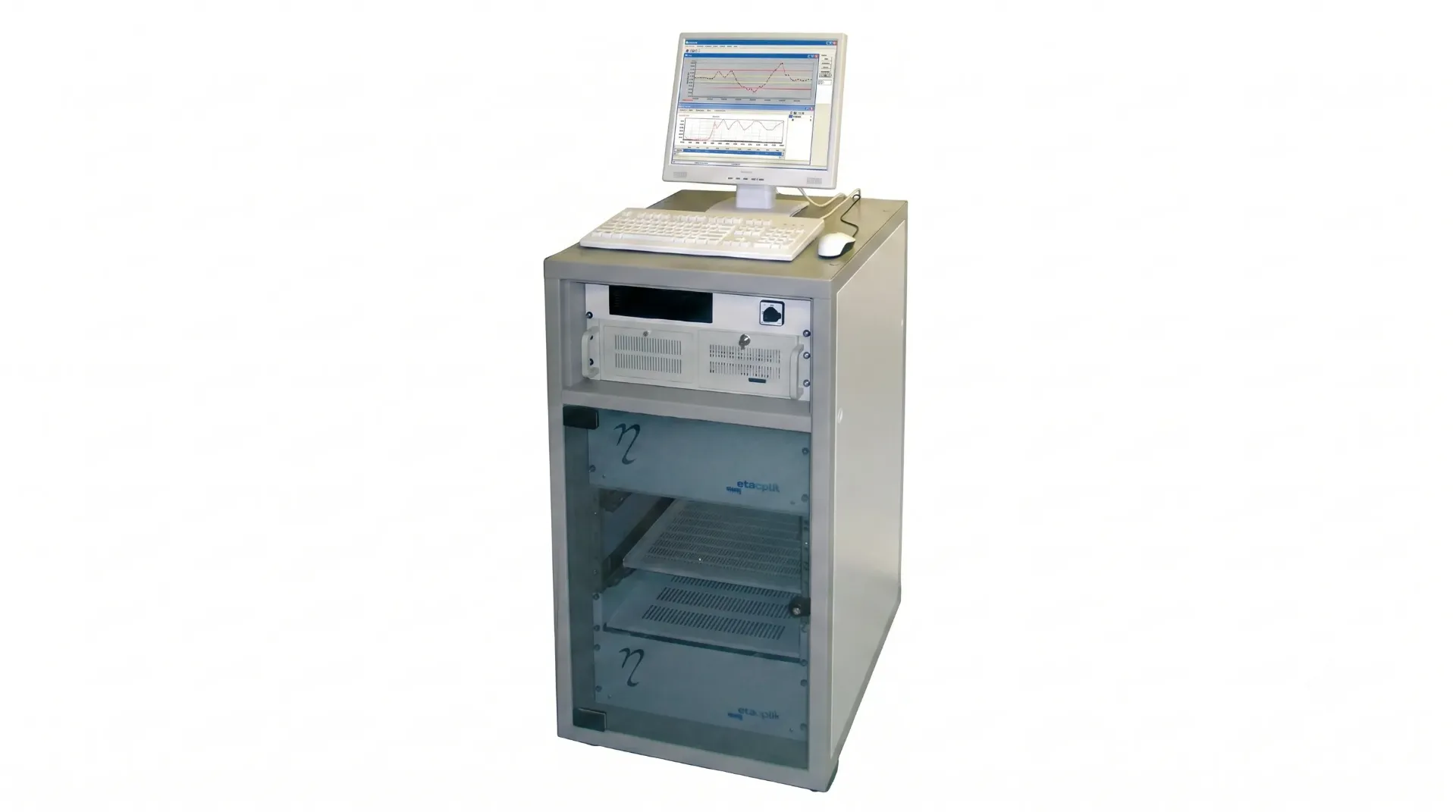
- Dedicated ETA-TCM software: Visualizes real-time trend data, smart storage, and direct connection to PLC via industrial communication ports.
Detailed description
Real-time non-contact measurement principle
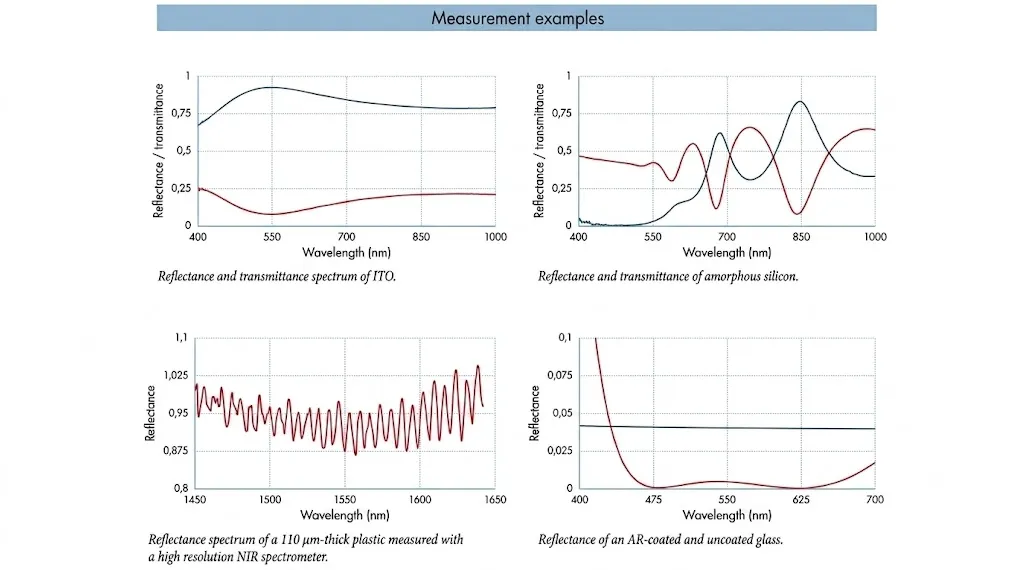
ETA-TCM is an industrial spectral measurement system based on the principle of non-contact reflection and transmission measurement. The device uses a transmission diffraction grating combined with a high linearity diode/InGaAs probe. Each system is precisely calibrated with a standard light source, ensuring long-term stable measurement results in both static and dynamic production environments.
Comprehensive quality control and waste reduction
Thanks to extremely fast inline measurement speed, ETA-TCM controls 100% of the surface quality of thin film products. The device instantly detects thickness deviations (20 nm – 30 µm) or optical density (OD1–OD7). This allows operators to timely adjust the coating process, helping to optimize material usage and prevent mass errors.
Modular design and intelligent software
The device features compact probes connected by stainless steel armored fiber optics. The ETA-TCM software provides intuitive trend charts and sets pass/fail limits. The system supports direct measurement data transmission to the PLC of the production line via Digital I/O, TCP/IP, or RS232 ports, meeting factory automation requirements.