
Key features
- Non-contact optical measurement: Utilizes advanced multi-angle optics to completely eliminate signal distortion caused by distance, tilt, roughness, or grooves on the wafer surface.
- Ultra-fast analysis speed (≤ 200ms): Processes optical spectrum data in parallel, meeting real-time measurement requirements directly on the production line with maximum throughput.
- Comprehensive assessment of Poly-Si materials: Accurately determines both the thickness of the coating layer (50 – 450 nm) and the optical constants n&k of the Poly-Si material on the TOPCon photovoltaic cell substrate.
- Smart ETA-TCM analysis software: An intuitive interface that integrates quality boundary alert functions (Good/Bad), automatically generates statistical graph data to help early detection of process deviations.
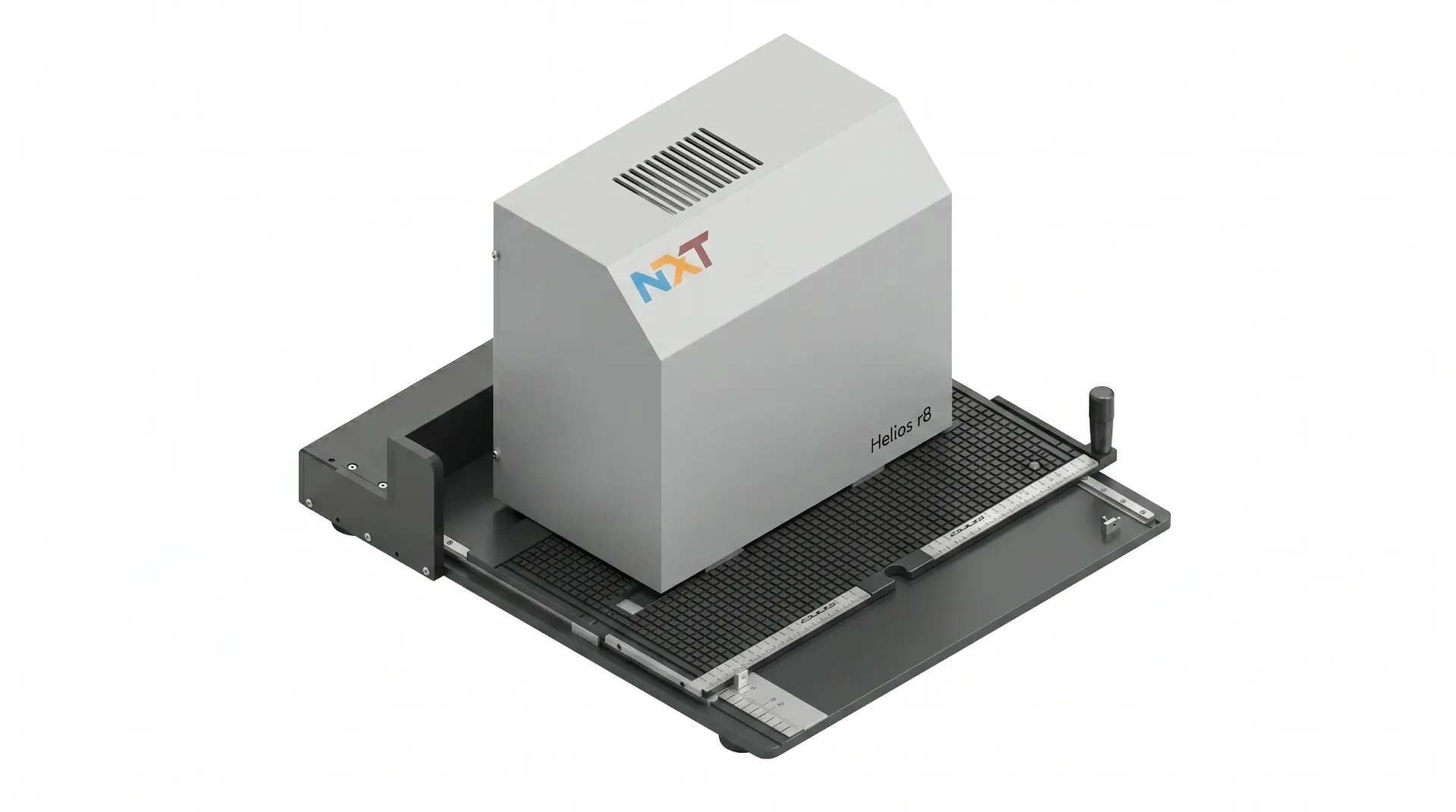
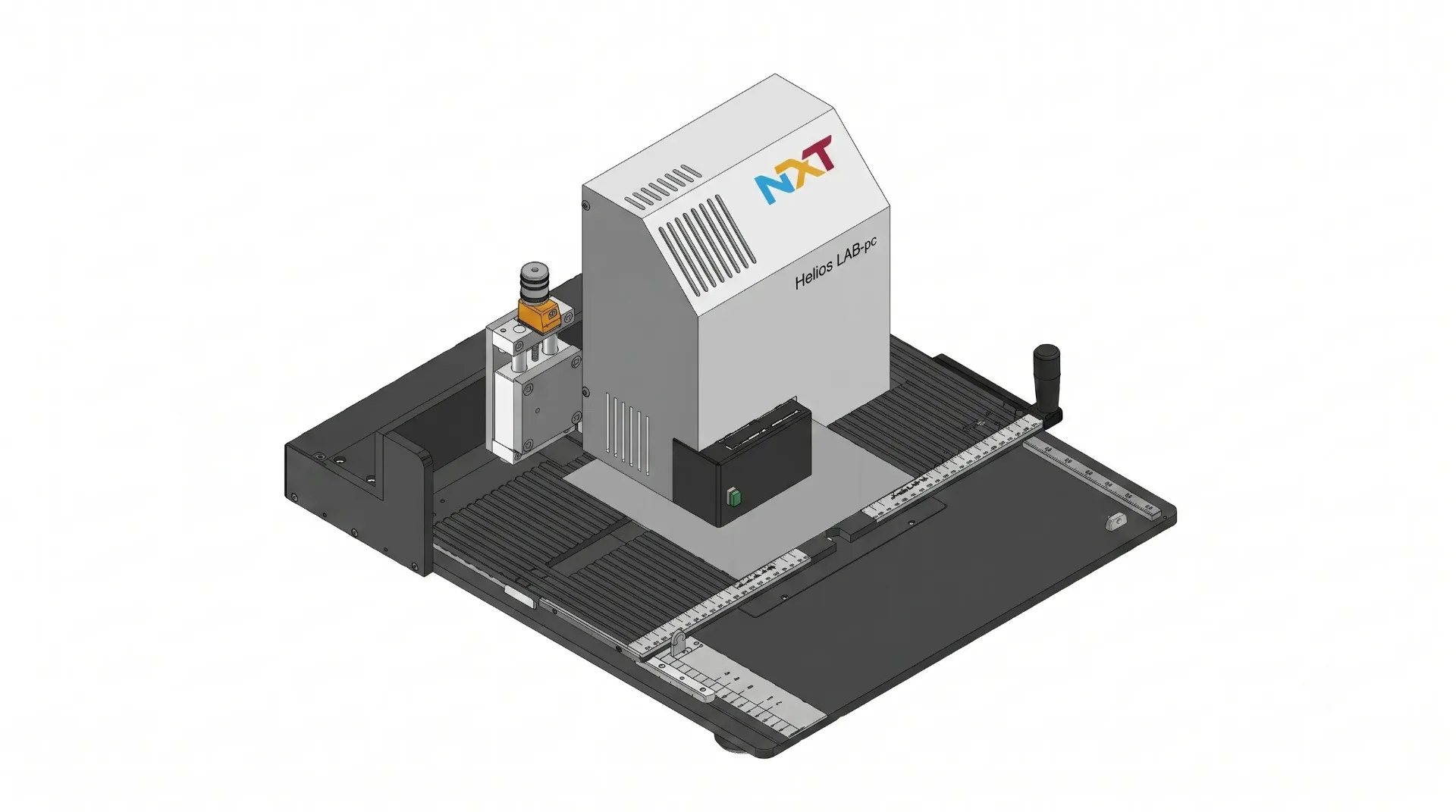
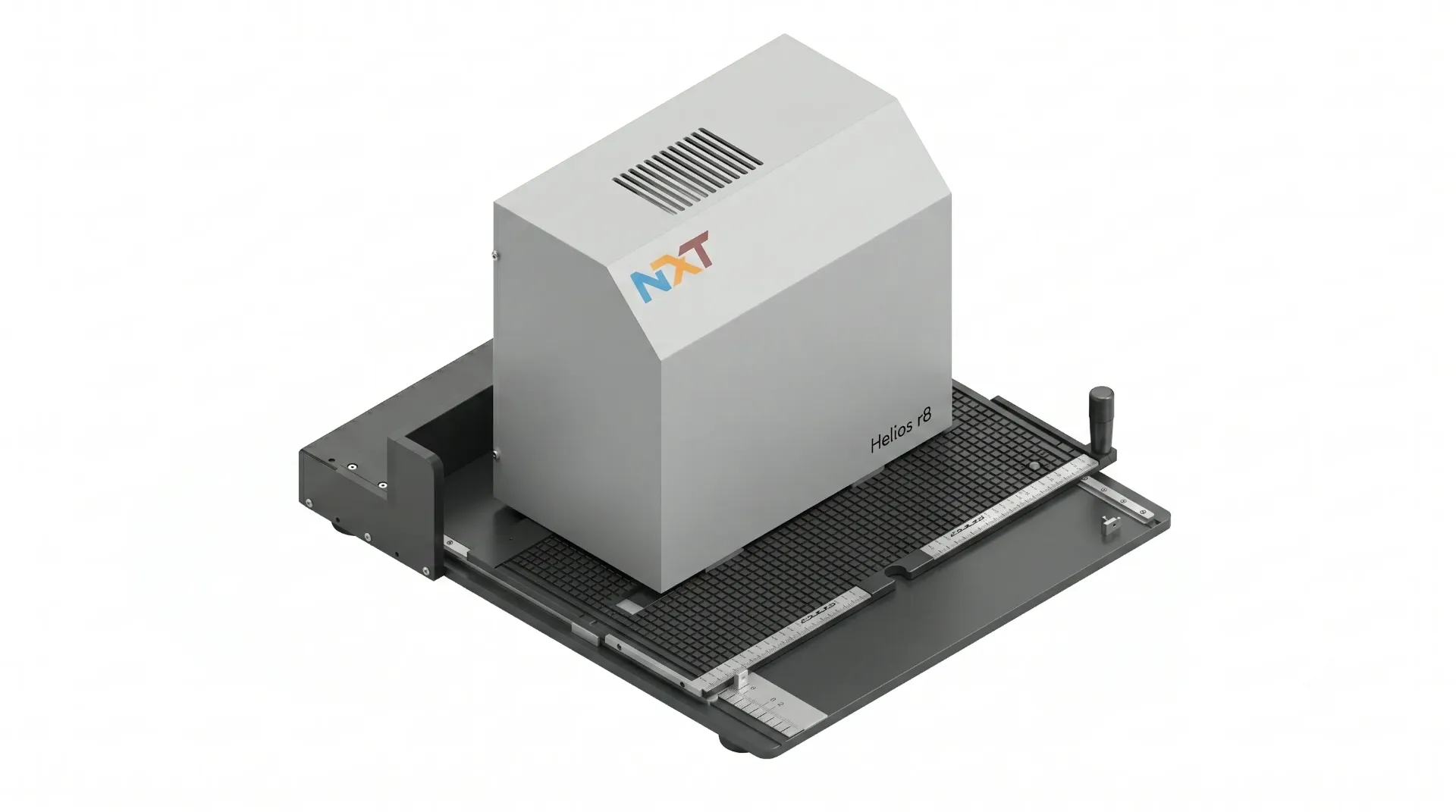
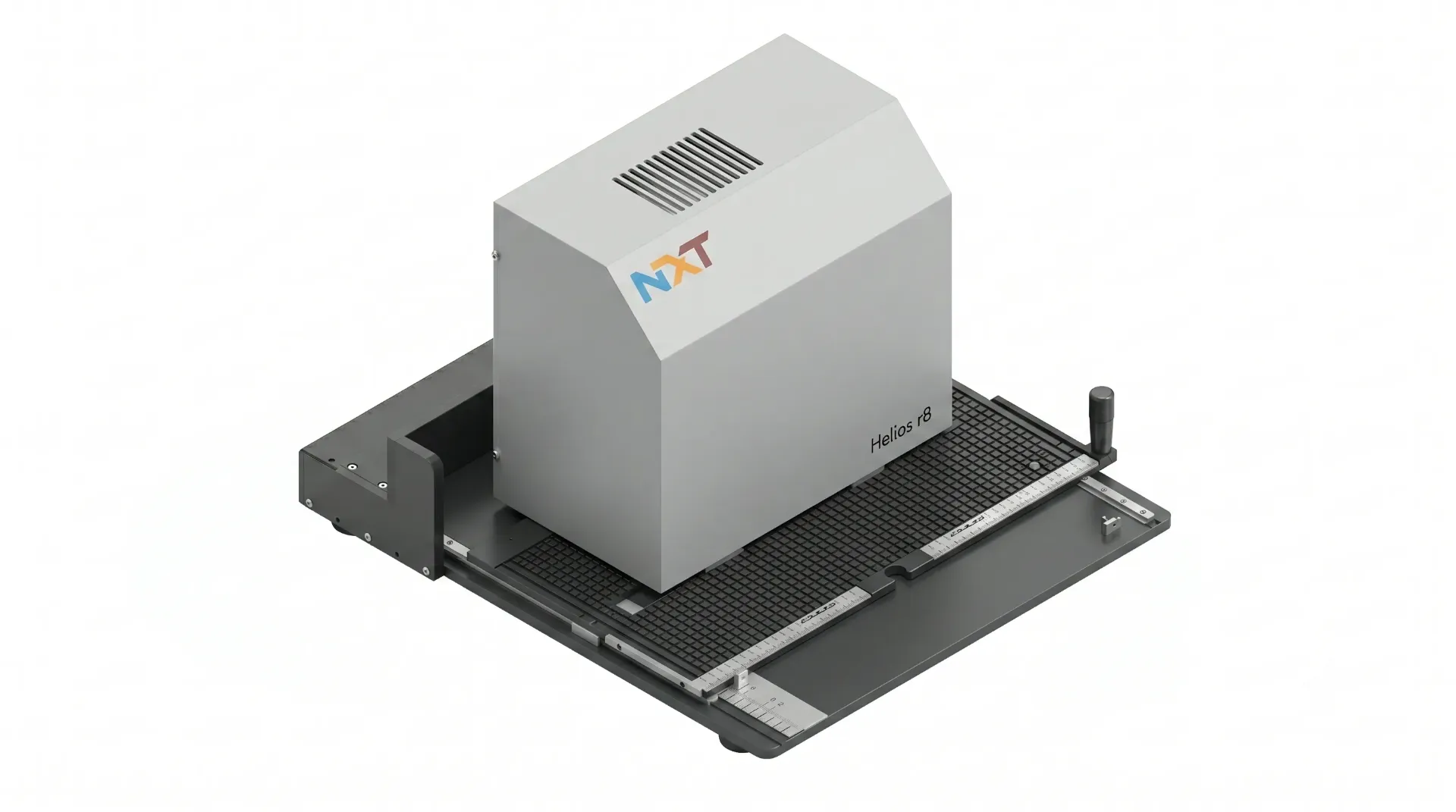
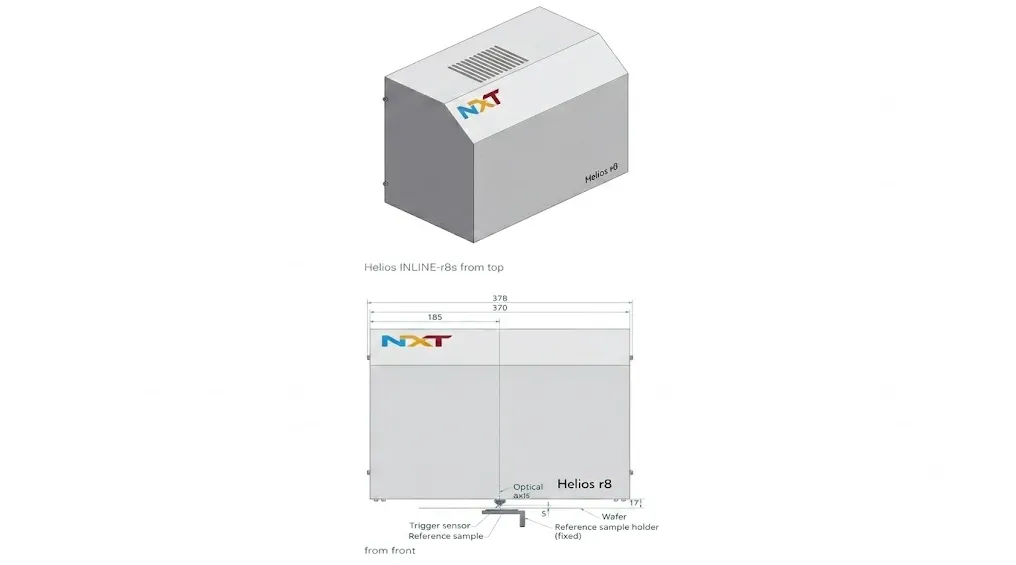
- Flexible customizable modular design: Offers 4 specialized variants, from manual benchtop devices (LAB-r8), automatic scanning measurement (SCAN-r8) to modules that integrate directly into extremely compact production lines (INLINE-r8s/r8m).
- Stable & durable operation: Integrated reference sample holder for automatic calibration, maintaining the highest accuracy for decades in harsh industrial environments.
Detailed description
Advanced multi-angle reflectance spectroscopy technology
The Helios-r8 system operates based on the principle of axisymmetric illumination, where both reflected and scattered light are tightly captured by a multi-angle signal detection optical system. This signal is then converted into raw spectra by the spectrometer. Through the specialized ETA-TCM software, the system performs spectral fits combined with material layer models to extract extremely accurate thickness values and optical coefficients. This intelligent design ensures the device operates stably and is completely immune to measurement barriers on non-uniform surfaces.
Thoroughly addressing bottlenecks in TOPCon solar cells
In high-efficiency TOPCon photovoltaic technology, a Poly-Si layer is deposited on the back of the wafer through an ultra-thin tunnel oxide layer. The characteristics of this coating directly determine the quality of the selective passivation contact. The ability of the Helios-r8 to collect and evaluate data with excellent repeatability (≤ 0.1 nm) allows engineers to continuously monitor uniformity at multiple points across the entire wafer surface. From there, operators can make quick adjustments, shorten the time for fine-tuning the production line, increase throughput yield, and minimize scrap.
Automation and expandable compatibility
Not only limited to independent measurement design, the Helios-r8 possesses extremely flexible connectivity capabilities to function as a control element. The device supports a variety of communication standards (Digital IO, TCP/IP, Profibus), allowing direct data measurement to be pushed into the PLC system of the production workshop. The INLINE versions are additionally equipped with a trigger sensor and a motorized reference sample module, ensuring an automated and seamless workflow with almost no manual intervention.