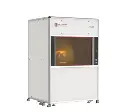

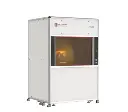

Main features
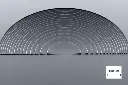
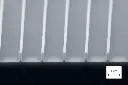
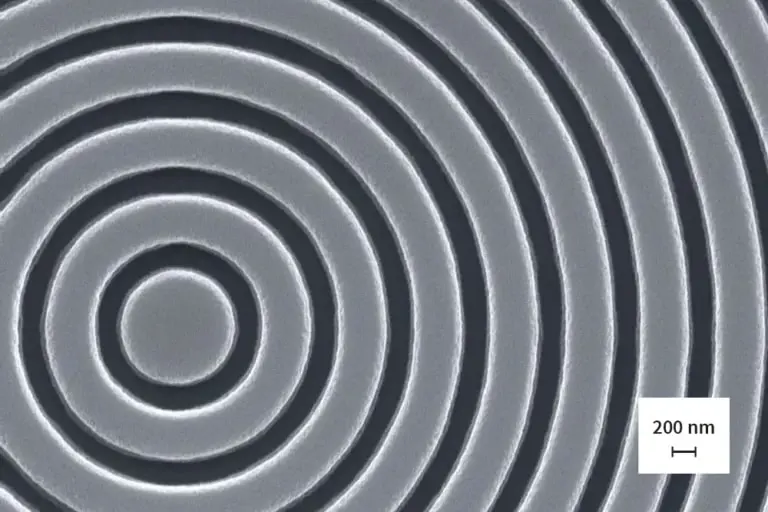
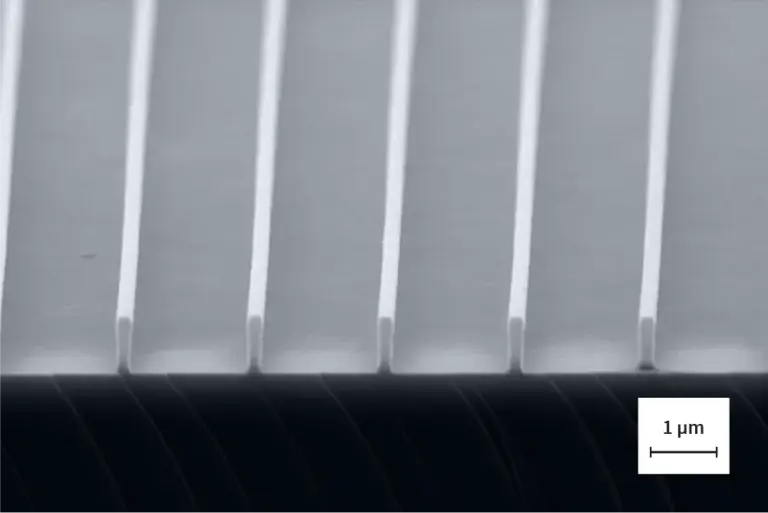
- Write Mode XR – achieves the smallest size of 200 nm, with a line spacing of only 100 nm
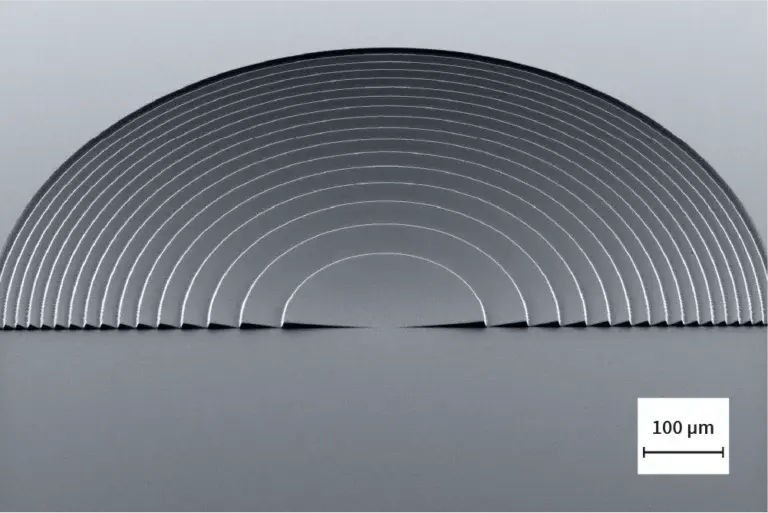
- Grayscale Lithography – creates 2.5D structures on low contrast positive photoresist, suitable for micro-optics, MEMS
- Six writing modes (Write Modes XR, I, II, III, IV, V) – flexible from super-resolution (200 nm) to high speed (2000 mm²/min), customizable for applications
- Two wavelength options – 405 nm diode laser (for broadband photoresist) or 375 nm UV laser (supports SU-8 and i-line photoresist)
- Backside Alignment – accuracy of 1000 nm, allowing exposure to match the structure on the underside of the substrate
Detailed description
Technology & principle
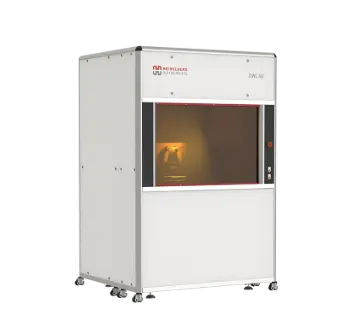
The DWL 66+ uses a laser beam that directly projects onto the coated photoresist substrate. The Grayscale mode uses low contrast positive photoresist, with spatially varying light intensity creating proportional etch depth, producing continuous 2.5D structures. Six writing modes allow for a balance between resolution and speed.
Limitations of traditional lithography
- Creating 3D/2.5D structures requires many stacked engraving steps, consuming time and costs.
- The device lacks backside alignment capability, making it difficult to handle double-sided substrates or complex structures.
- Cannot process on curved surfaces or the side walls of deep engraved grooves.
Advantages of the maskless lithography system DWL 66+
- Grayscale mode with 128 or 32,768/65,536 gray levels, creating 2.5D structures in just one step.
- Backside alignment achieves an accuracy of 1000 nm, allowing for precise layer alignment with the bottom structure.
- Basic Freeform machining details down to 3 μm on the convex and concave surfaces of lenses.
Integration & expansion
- Integrated camera, autofocus.
- Automatic sample loader handles 7″ masks and 8″ wafers with two load stations, prealigner, and wafer scanner.