

GENERAL DESCRIPTION
It is a non-metal clean room used for the analysis of trace elements, radioactive isotopes using devices such as ICP-MS for the analysis of U, Th isotopes and trace elements in biological tissues and fluids, semiconductor materials…
The clean laboratory uses HEPA filters according to clean room standards but is supplemented with elements to avoid any metal components in the room. Wherever unavoidable, these parts must be coated with a layer of HDPE or a specialized epoxy paint.
The main clean room operates using air circulation technology ensuring Class 10,000 to 100,000 standards. Air moves from a HEPA filter to the work area and exits the clean room without any conflict.
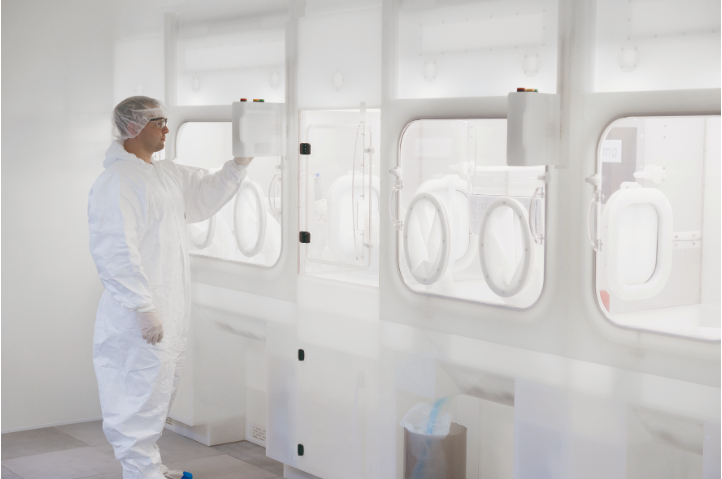
Composition of non-metal clean room materials: The operating chamber is placed in a clean room meeting CLASS 100 standards. The entire operating chamber system ensures class 100 or better. The HEPA filter consists of thin, highly porous fiber panels. Both the pre-filter and the HEPA filter must be placed in a wooden frame or a non-metal frame.
NON-METAL CLEAN ROOM
It is a clean room system that includes operating chambers meeting Class 100 or better standards placed in a compact Class 10,000 clean room. The room has a separate exhaust air supply system and exhaust ducts for the operating chambers and the room. For the operating chambers, air is supplied separately through pre and post HEPA filters with a dedicated blowing system.
The room is cleaned and the air circulates with 10% clean air recirculated each time. For the operation chambers, the air is supplied separately through pre-filters and HEPA filters with a separate blower. Therefore, it is a one-way blowing system without any recirculation to ensure complete removal of acid vapors in the operation chambers. Class 100 will always be maintained in the operation chamber.
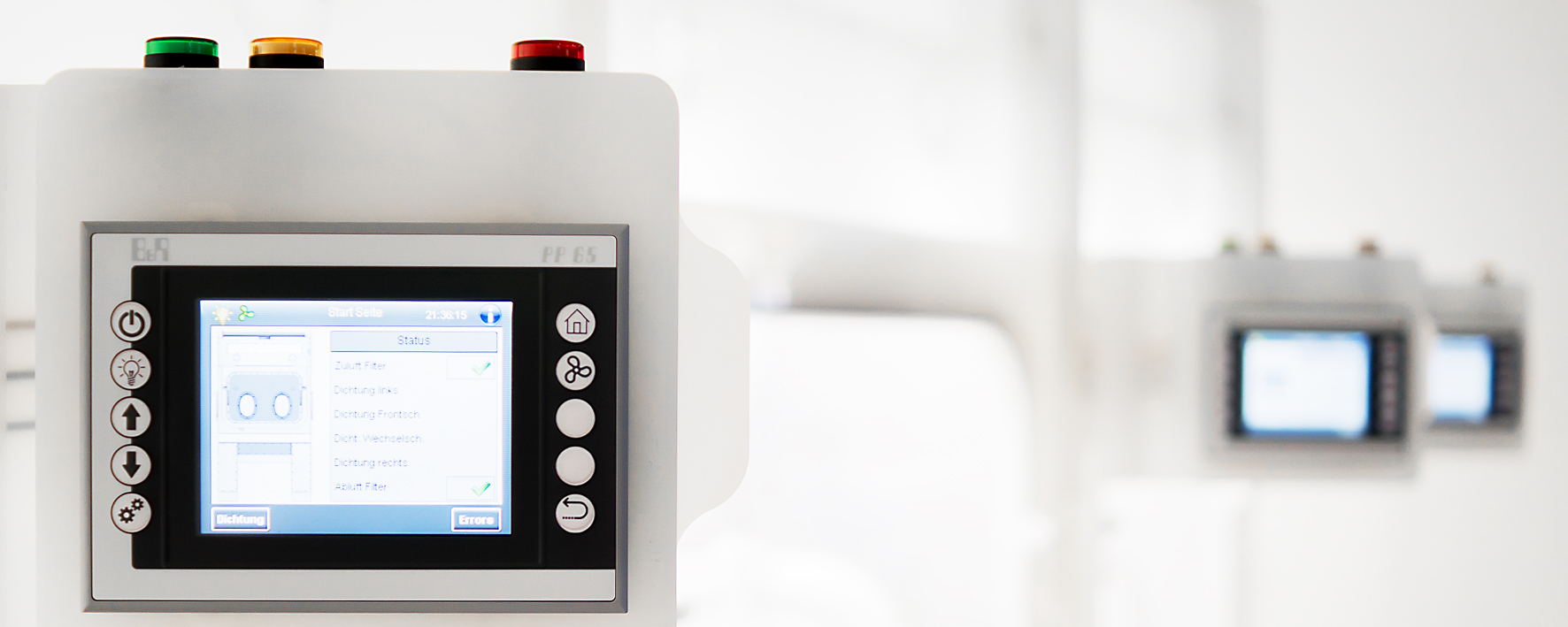
The materials used in the construction of the room and the operation chambers are essentially metal-free because metal parts will start to corrode quickly with the use of acids, and these particles will cause a much more serious problem than air particles. The operation chambers are made of wood with a special melamine coating. The HEPA filters are not made with a metal frame. The motor is epoxy-coated and the blower has a polypropylene casing with polypropylene wheels, lighting fixtures, and is held in a non-metallic socket. The faucets and sinks provided are also made of polypropylene. The bolts and nuts are made of HDPE, and wherever metal bolts are needed, they are epoxy-coated. The doors are made of wood and the handles are plastic. The false ceiling is made of wood and the entire room is painted with anti-fungal epoxy paint. Sharp corners have been formed into smooth curves to create a continuous clean airflow and avoid dust accumulation in these corners. The main blower supplies air to the room and a separate air conditioning unit is placed in a separate technical room. The main blower has a casing made of epoxy-coated FRP. The air ducting into the clean room will be made of HDPE, properly insulated. All possible precautions have been taken to prevent the generation of metal particles from the construction materials of the room. In other cases, specific technology is required to ensure no metal is generated in the clean room.
Sample solutions will only be transported in completely sealed Teflon boxes to the laboratory. The introduction of samples into the equipment will be carried out in a class 100 cleanroom. The airflow rate must be maintained at a minimum of 20 m/min. The air quality in the room and the cleanroom must be checked regularly. The general cleanroom area is class 10,000 and the cleanroom is class 100. Users, analysts, or anyone entering the cleanroom must wear cleanroom uniforms made from special fabrics.
A positive attitude from users working in a clean environment is essential. There must be continuous awareness of potential developing issues, for example: the corrosion of a part or materials and equipment not used in the laboratory, which may lead to subsequent contamination problems. It is best to address them at an earlier stage to avoid impacting a range of related analyses. Appropriate training procedures must be provided to analysts, including measures for contamination control.
The involvement of both people and materials in the cleanroom must be carefully controlled. Only what is truly necessary should be brought into the cleanroom. The test tubes and other equipment should be wiped clean using lint-free wipes with appropriate solvents to minimize particle generation in the room. To minimize contamination from humans, analysts working in the cleanroom must wear special laboratory coats, hoods, and gloves. These garments must be made from non-shedding materials, without any metal components (buttons, zippers) that could corrode and contaminate, capable of retaining particles, comfortable to wear, and (if possible) resistant to acids and reagents.
Materials used for clean rooms include polyester fabric, nylon fibers, and polypropylene composite materials. Disposable polythene gloves are recommended for use. Footwear should be kept outside the clean room area. Storage of footwear (if necessary) must be in a closet in the buffer room, serving as an airlock between the outside area and the clean room. The airlock also has a grade of 10,000 and is at positive pressure compared to the outside environment, and the clean room is at positive pressure compared to the airlock room. The closet (if needed) is equipped with ultraviolet light to eliminate all bacteria. Pipettes and burettes made of borosilicate glass, widely used in regular laboratories, are not suitable for use in isotope analysis. Silica glass equipment can be cleaned with acid. It can also be used at high temperatures if necessary. Laboratory tools and supplies made of silica glass and PTFE or HDPE (used at room temperature). New instruments must be cleaned as follows: cleaned with a non-ionic detergent such as Triton X-100, followed by 8 hours of soaking in a 1:1 ratio of nitric acid and hydrochloric acid. The final rinse and soaking in high-purity water should last eight hours before use.